

In this recipe
- Why This Recipe Is Great
- Step-by-Step Alfredo Lasagna with Spinach
- Ingredients, Tips, and What Not to Do
- How to Store, Reheat, and Freeze
- How to Customize, What to Serve With It + Bonus Recipes
- FAQ
Estimated reading time: 21 minutes
Why This Recipe Is Great
Craving a rich, cheesy lasagna without ricotta? This spinach Alfredo lasagna is just what you need! It’s creamy and made with simple ingredients you probably already have. Here’s why you’ll love this recipe:
- Step-by-step recipe with images and video, just like all our recipes. So you know exactly what to do!
- No ricotta needed – this is the perfect lasagna recipe without ricotta, thanks to a creamy homemade Alfredo sauce.
- Made with simple ingredients – all you need is spinach, mozzarella, Parmesan, and a few basics.
- Creamy but not heavy – the Alfredo sauce is rich but smooth, and spinach keeps it balanced.
- Freezer-friendly – great for make-ahead meals and leftovers. You can even bake it straight from the freezer!
- Vegetarian-friendly – no meat, just cheesy, veggie-packed goodness.
This Alfredo lasagna is simple to make and even easier to love. A cozy, satisfying dish that’s perfect for any night of the week! Want more pasta recipes? Go here.
Perfect creamy lasagna layers.


Step-by-Step Alfredo Lasagna with Spinach
Craving something creamy and cozy? You’ll love this Alfredo lasagna with spinach. It’s rich, smooth, and super satisfying. It’s also one of the easiest white sauce lasagna recipes you can try. And the best part? It’s a lasagna recipe without ricotta cheese. So, let’s head to the kitchen and start cooking.
How to make Alfredo lasagna?
Start with the sauce, then cook the spinach filling, and layer everything with no-boil lasagna sheets. Sprinkle mozzarella on top and bake! That’s the recipe in a nutshell. Now let’s go over it step by step with all the details.
Let’s start with the Alfredo sauce.
For this vegetarian white lasagna recipe, you need to grate your Parmesan cheese on a fine grater.
Then place a pot over medium heat. If your stove has numbered settings, set it to 6 out of 9. That’s what we use. Use a non-stick pan, so your sauce doesn’t burn or get clumpy. Add the butter and let it melt.

Stir in the flour and cook for 3–4 minutes. This step thickens your sauce. If you skip the flour, your lasagna Alfredo can turn out runny.


Switch to a whisk now. Slowly pour in about a third of the heavy cream and whisk nonstop. You’re going for a smooth, creamy lasagna Alfredo sauce. We add the cream in three steps.


When it starts to thicken, pour in another third and keep whisking. Don’t let it boil — that’s how the sauce stays smooth with no lumps.


Now add the last batch and mix until smooth.


Add black pepper and a pinch of nutmeg. White lasagna recipes need that hint of nutmeg—it’s a classic pairing with Parmesan and cream. Stir everything together.


Add salt and stir again.


Once you see steam rising, start adding the Parmesan in batches. Let each batch melt before you add the next. We added ours in five parts. If the sauce gets too hot, remove the pot from the heat. Don’t let it boil — that’s key for an easy white sauce for lasagna.
You’ll see how the sauce changes as you go — smooth, creamy, and thicker with each step.
Step 1: Add the first batch of Parmesan and stir until it melts. The sauce already feels creamy and smooth.


Step 2: Add a bit more cheese and keep stirring so it melts evenly.


Step 3: Add the next portion and stir. The sauce is thicker now.


Step 4: Add the fourth batch and stir again, so you don’t get any lumps.


Step 5: Add the last Parmesan and mix until fully melted.


The sauce should look creamy, smooth, and rich — just like this!

Your creamy, rich sauce is ready. That’s how you make easy, cheesy Alfredo lasagna sauce. It stays thick and is perfect if you don’t want ricotta cheese lasagna and love that Alfredo flavor.
Time for the spinach filling.
We’re using frozen spinach—it’s soft, cooks fast, and works perfectly for this filling. No cream, no additives—just pure spinach! Frozen spinach is our favorite for spinach lasagna with Alfredo sauce. It saves so much time! But if you’ve got fresh spinach, that works too.
Let’s get everything ready before it goes into the pan.
- Chop onion
- Grate garlic
- If you use fresh spinach, wash it and chop it into small pieces. If you use frozen spinach, you can add it straight from the freezer—no prep needed.
Heat olive oil in a pan, medium heat. We are using 6 out of 9 on our stove. Add the onion and cook for 3–4 minutes until it turns soft and translucent.


Now throw in the garlic and cook for 30 seconds — you’ll smell it right away.


Add the frozen spinach, give it a stir, then cover with a lid and let it thaw right in the pan. This is the quickest way to do it. Stir a few times while it softens. You can also leave it out at room temperature for about an hour before you start your lasagna — totally up to you. But in the pan? Way faster.
Want to make your lasagna Alfredo recipe with fresh spinach? After you wash and chop it, add it to the pan and cook until it wilts and cooks down.


Once the spinach is thawed (if you’re using frozen) or cooked down (if it’s fresh), take off the lid. Add some salt and a pinch of nutmeg. If your frozen spinach already has salt in it, you can skip this part. Make sure to give it a taste — you don’t want to oversalt your Alfredo spinach lasagna.


Turn the heat up to high and cook until all the liquid evaporates. We need to get rid of that moisture — otherwise, your sauce will turn out watery. It usually takes about 7 to 10 minutes.


Look — once there’s no water left in the pan, your spinach is ready. Move it to a cold bowl and let it cool for 5 minutes.

Let’s get back to the Alfredo sauce. First, set some aside — you’ll use it for the bottom of the baking dish and the top layer later.

Then take the rest and mix it with the spinach to make the filling for your white Alfredo lasagna. Not sure how much to set aside or mix with the spinach? No worries — just check the recipe card below for all the exact amounts.


A lot of Alfredo lasagna recipes call for ricotta, but we like to keep things simple. If you’re looking for a substitute for ricotta cheese in lasagna, this is it — our thick, homemade spinach Alfredo sauce does the job perfectly.
In this spinach Alfredo lasagna, we use that creamy spinach Alfredo sauce not just for flavor, but to keep the layers rich and smooth. To get even layers, weigh the sauce filling and divide it into 4 equal parts. That way, your layers come out just right — not too thick, not too thin.
Taste the homemade spinach Alfredo sauce and add a little more salt if it needs it. It should be slightly salty — that helps balance out the pasta. This way, your lasagna will have great flavor and won’t taste bland.


Let’s assemble the lasagna.
For this lasagna recipe with white sauce, we’re using no-boil lasagna sheets — easy to find at any grocery store.

You’ll also need grated mozzarella for the top.
Take the Alfredo sauce you set aside earlier — the one without spinach. Use a little less than half to coat the bottom of your lasagna baking dish. Save the rest for the top layer.


Let’s start layering.
Helpful tip: If the sheets don’t fit your lasagna baking dish, no worries — just break them. Use the edge of a cutting board to snap them to size. Our dish has rounded corners, so we break off the corners of the sheets to make them fit better.


Preheat your oven now, so it’s hot and ready when it’s time to bake our easy Alfredo lasagna.
Now let’s layer it up. First, place your lasagna sheets over the base layer of sauce.
Important tip: We don’t like placing the lasagna sheets directly on top of each other. They get bigger as they cook, and that can make the layers thick and uneven. So just lay them side by side, or leave a little space between them — that works best.

For the first layer, spread some of the Alfredo and spinach sauce mixture. Then sprinkle grated mozzarella on top.


For the second layer, add lasagna sheets, more Alfredo spinach sauce, and mozzarella on top.


For the third layer, repeat — lasagna sheets, sauce, and mozzarella.


For the fourth layer, do the same: lasagna sheets, Alfredo spinach sauce, and a final sprinkle of mozzarella on top.


Now add the fifth layer of lasagna sheets on top. Spread the remaining Alfredo sauce (without spinach) evenly over the top.


Don’t forget the edges. If the edges stay dry, they can burn or crumble.

Finish your white lasagna recipe with Alfredo sauce by topping everything generously with grated mozzarella. That’s your final layer — creamy, cheesy, and ready to bake.

Cover the baking dish with foil, folded in half so it’s double-thick. We will remove it and bake a few minutes without it.

Bake time!
Place the white lasagna with Alfredo sauce in the oven and bake for 30 to 40 minutes.
What temperature should you bake lasagna at? Set your oven to 190°C with top and bottom heat, or 375°F.

After 30 minutes, check with a skewer — if it goes through easily, the pasta sheets are soft and you’re ready for the next step. Now take off the foil and bake the Alfredo lasagna with spinach for another 20 to 30 minutes, until the top turns golden.


How to tell when lasagna is done?
The cheese on top should be melted, golden, and bubbling — that’s your sign it’s ready to come out.
Should you cover lasagna when baking? Yes, definitely! Always start with foil. We bake lasagna covered first, then uncovered. This helps it cook evenly and keeps the pasta al dente, not mushy.
Take the lasagna with Alfredo sauce out of the oven. Look at that crispy, cheesy crust — so good!

Now your lasagna needs to rest. How long should lasagna rest before cutting? Let it sit for at least 30 minutes. If you cut into it too soon, lasagna can turn out watery. It needs time to settle and thicken up. We usually wait about an hour, since this one’s a big lasagna with 5 layers — it really needs that time to set properly.
And that’s it — your Alfredo lasagna recipe is done!

If you love a classic cheese lasagna, this lasagna is a rich twist, with layers of spinach, mozzarella, and a velvety Alfredo sauce. It’s easily one of the best alternative lasagna recipes out there.
Plus, it’s a no ricotta lasagna recipe, so you get all the creaminess without the extra ingredients. Simple, satisfying, and so delicious.
Ingredients, Tips, and What Not to Do
You only need simple ingredients, and the lasagna turns out so delicious. Check the ingredients and kitchen tools below. We’ve made this recipe many times, so we’ve got a few tips for you. Plus a few mistakes you’ll want to avoid.
Equipment
You don’t need any special tools to make this lasagna with Alfredo sauce. Just a few basics you likely already have.
Baking dish size: 9×13 inch (22×30 cm)
This baking dish size is large, perfect for feeding your family or sharing with family and friends. It’s also great if you want leftovers for lunch the next day.
Pot and whisk
Use a heavy-bottomed pot to cook the sauce. It helps heat the sauce evenly and keeps it smooth.
Pan and spatula
Use these to cook the spinach filling.
Grater
Grate your Parmesan fresh—it melts better in the sauce.
Foil
Cover the dish while baking, so the top doesn’t dry out.
That’s all the equipment needed. Just the usual kitchen tools.
Ingredients
Check the recipe card below for all the exact measurements you need.
For the Alfredo sauce:
Butter
You’ll need a generous chunk of butter. It’s the base of the Alfredo sauce in this lasagna and gives it that rich, creamy flavor.
Heavy cream (30%)
You’ll need heavy cream with at least 30% fat. Don’t go lower, especially when you heat the sauce. Not just in this creamy lasagna recipe — in any sauce you cook, cream with less fat can split.

Parmesan
This is the best cheese to use for Alfredo sauce. Don’t use pre-grated Parmesan. It has stuff in it that keeps it from melting well. Grate it fresh on a fine grater so it melts smoothly. That way, your Alfredo sauce lasagna turns out rich and velvety. It’s a tasty alternative to Parmesan ricotta bakes. Just as cheesy, no ricotta needed.
Flour
You will need a bit of flour to thicken the sauce. You can’t use regular Alfredo sauce—you need a thicker one. If not, your white lasagna with spinach can turn out runny. If you prefer easy Alfredo sauces without flour, check out our tortellini Alfredo recipe.
Spices
You will need nutmeg, black pepper, and salt. These are the best seasonings for Alfredo sauce—simple and flavorful.
For the Spinach Filling
- Olive oil – use it for cooking
- Onion – chop it
- Garlic – grate it
- Spinach – Use plain frozen spinach with no cream or additives. If you can, choose young frozen spinach — the leaves are small, tender, and perfect for white lasagna with spinach. Fresh spinach works too, but it takes a bit more prep since you’ll need to wash and chop it first.
- Spices – just nutmeg and salt for simple seasoning
To Assemble the Lasagna:
- Lasagna sheets – use no-boil sheets you don’t need to pre-cook.
- Grated mozzarella – sprinkle it on top before baking. This easy white lasagna combines rich Alfredo sauce, mozzarella, and tender pasta sheets. What type of mozzarella for lasagna? Use pre-grated mozzarella—the kind labeled for casseroles or bakes. It melts well and works perfectly for this recipe. Don’t use mozzarella packed in liquid. It won’t melt evenly and can make your lasagna watery.
As you can see, for this lasagna recipe with Alfredo sauce, you only need simple ingredients. And if there’s something on the list you don’t have, you can easily grab it at the nearest grocery store. Easy, right? That’s the kind of recipe you’ll want to make again and again.
Our Tips and Common Mistakes to Avoid
Want perfect lasagna every time? Check our tips to avoid the most common mistakes.
How do you keep lasagna from being runny?
Lasagna made with Alfredo sauce can turn out runny. That’s the main issue with no ricotta cheese lasagna — ricotta is thicker than Alfredo, so it helps hold the layers together better. But don’t worry — there are a few easy ways to avoid that.
Here’s what to do:
- The key to the best white lasagna recipe is a thick Alfredo sauce. Use a bit of flour while cooking — it helps the sauce hold up in the oven.


- Using veggies like spinach or mushrooms? Make sure to squeeze out all the extra liquid after cooking. Or cook them over high heat until everything’s dry.

- And most importantly, let your creamy Alfredo lasagna rest for at least 30 minutes before slicing.
- If you’ve made a taller lasagna with more layers (like our 5-layer version), give it at least 40 minutes to fully set.

How do you add flavor to lasagna?
- Season every sauce you use.
Make sure to season both the Alfredo sauce and the spinach-Alfredo mix. Add nutmeg, salt, and pepper. It brings out the best flavor in every layer.

- Use bold cheeses to boost flavor.
A mix of Parmesan and mozzarella gives this lasagna a rich, cheesy bite. In this lasagna recipe, no ricotta cheese is needed. It’s creamy on its own. - Taste your homemade Alfredo sauce with spinach.
You’ll be layering it with plain pasta sheets, so the filling should be a bit salty. That way, the flavor balances perfectly once it’s all baked.
How to make sure Alfredo sauce for lasagna doesn’t separate?
- Add the heavy cream and cheese slowly — just a bit at a time. Stir well and let each portion melt in fully before adding more. That’s how you keep the sauce smooth, stable, and creamy.
- Use medium heat and never let the sauce boil. High heat can make it split.
- Since we’re making a homemade lasagna with no ricotta, we need a thicker sauce — regular Alfredo would be too runny. That’s why we add a bit of flour. It helps the sauce hold together and keeps the layers from slipping. Just whisk it in well until the sauce is smooth.


How to keep lasagna from getting soggy?
If you want nice, al dente layers instead of soft, soggy ones, here are a few tips:
- Use no-boil lasagna sheets — they hold their shape better and cook evenly while the lasagna bakes. It’s best to skip lasagna noodles that need to be pre-cooked. They can get too soft or tear easily.
- For Alfredo lasagna recipes, go with a thick sauce. A runny sauce can make the lasagna watery and the noodles too soft.
- Bake it just right — don’t overdo it. Cover your Alfredo lasagna with foil for most of the bake time. Then take it off for the last 10–15 minutes to get that golden, bubbly top without overcooking the pasta.


How to make sure your lasagna isn’t too salty?
- Start with unsalted butter — it gives you more control.
- Parmesan cheese can make your Alfredo sauce salty, so be sure to taste it after you add the cheese.
- In our spinach lasagna recipe with white sauce, you’re working with two sauces: Alfredo and a spinach-Alfredo mix. Taste both while you cook. The spinach Alfredo sauce should be slightly salty. That way it balances out the plain lasagna sheets.
- Some frozen spinach may already be salted, so give it a quick taste. If it’s already salty, you may need no extra salt at all.
How to get visible layers in your lasagna?
- With so many different kinds of lasagna, one thing stays the same — you need a thick filling for clean, even layers. In this vegetarian white lasagna recipe, we use spinach and Alfredo sauce, so it’s important to add a generous amount of filling to each layer. The layers will stay visible, and the sauce won’t sink to the bottom.
- Sprinkle mozzarella cheese on every layer to help hold everything together.
- Want perfectly even layers? Weigh the filling and divide it based on how many layers you plan to make.


How to keep lasagna edges from burning?
- One of the most common issues with a lasagna recipe with Alfredo sauce is that the edges dry out fast. But there’s an easy way to keep them soft and golden. Cover your lasagna with foil for most of the bake. Remove it during the last 10–15 minutes. Just enough to get that golden, bubbly top.
- Be generous with sauce on the final layer, especially around the edges. It keeps the pasta soft. Then top the whole thing with cheese to seal in moisture and protect those corners.
- And don’t leave the lasagna in the oven to cool — that’s when the edges tend to overcook.


How to Store, Reheat, and Freeze
Want to store or prep ahead? With this recipe for Alfredo lasagna, you’ve got a few great options. You can assemble it a couple of days in advance, freeze it baked or unbaked, and cook or reheat when you’re ready.
How to Store
Once baked, store your white lasagna Alfredo in the fridge in an airtight container.
Wondering how long does lasagna stay good in the fridge? It stays fresh for up to 3 days.
How to Heat Up Leftover Lasagna?
The best way to reheat leftover lasagna is either in the oven or the microwave. Reheat only what you’ll eat. Because if you warm it more than once, it will become too soft.
In the oven:
Place it in a baking dish, cover the slice with foil, and reheat at 180°C (350°F).
How long does it take to reheat lasagna in the oven?
About 10 minutes, just enough to warm it through without drying it out.
In the microwave:
Place a slice on a microwave-safe plate, cover, and heat for around 2 minutes. If it’s a smaller piece, it may be ready sooner. Check the center to be sure it’s hot.
How to Freeze
Yes, you can freeze this creamy spinach Alfredo lasagna — whether it’s raw or already baked. If it’s baked, let it cool completely first. Then wrap it well and store in the freezer for up to 3 months. This is the best easy way to always have a homemade meal ready.
You can also double the recipe — bake one lasagna now and freeze the other for later. It’s a smart time-saver. It’s also a super convenient frozen bake — no need to thaw!
Reheat Frozen Lasagna + Crispy Top Tips
There are two ways to heat lasagna in the oven if it’s been frozen — either cook it raw or reheat it fully baked.
Cook uncooked lasagna from frozen
Can you cook uncooked lasagna from frozen? Yes, you can! There are two easy ways: either thaw it first or bake it straight from frozen.

Option 1 – Thaw First:
Thaw it overnight in the fridge. Then heat the lasagna in the oven at 180°C (350°F) for about 60 minutes, covered with foil. Remove foil for the last 10 minutes to crisp the top.
Option 2 – Cook from Frozen:
Bake straight from the freezer at 100°C (210°F) for 1 hour, covered in foil. Then, increase the temperature to 180°C (350°F) and bake for an additional 40 minutes. Remove foil for the last 10 minutes.
Heating up frozen lasagna (already baked)
If you froze a baked lasagna, reheat it at 180°C (350°F) for 1 hour under foil. Then uncover and bake another 15 minutes until the cheese is golden and bubbly.
How to Customize, What to Serve With It + Bonus Recipes
This Alfredo recipe is perfect for creamy pasta lovers who want a rich white sauce without ricotta or anything heavy. And the best part? You can easily adjust it to fit your taste.

What to Add
Want to tweak your easy lasagna recipe with Alfredo sauce to add protein or veggies? These tips work for this dish or any recipes with lasagna noodles.
More Protein
You can use all kinds of different lasagna fillings — here are a few favorites:
- Mushrooms: Sauté them over high heat to get rid of moisture. They add a savory, meaty bite that pairs perfectly with creamy spinach Alfredo sauce.
- Smoked tofu: Cut into small cubes and mix into the spinach and Alfredo sauce. Then layer your lasagna with it.
- Vegetarian or vegan chicken: Pan-fry until golden, mix it into the sauce, and build your layers with it.
Make it your own and build the best white lasagna for your taste!
More Vegetables to Try
Want to load up your vegetarian Alfredo lasagna with more veggies? Here are some of the best options that pair beautifully with creamy white sauce:

- Spinach
- Mushrooms
- Broccoli
- Zucchini
- Butternut squash
Tips:
- Vegetables like butternut squash and broccoli don’t release much water. Just steam or sauté them before layering. You can slice or mash them, depending on the texture you want.
- Spinach, mushrooms, and zucchini, on the other hand, release a lot of moisture. To avoid a watery lasagna, cook them over high heat first until all the liquid evaporates. Or press them in a sieve to remove extra moisture.
Want to Make It Healthier?
This vegetarian spinach Alfredo lasagna already packs in a good amount of spinach. So it’s got a bit of a healthy edge. But you can make it even lighter with a few simple sides.
- Try serving it with a fresh side salad. Arugula, drizzled with just a hint of olive oil, works beautifully — quick, light, and flavorful.
- Or simply slice up some seasonal veggies and serve them raw or lightly steamed. It’s an easy way to balance the richness of the lasagna without much effort.

What to Serve with Alfredo Lasagna
Wondering what to cook with lasagna or serve on the side? Since Alfredo lasagna is rich and creamy, lighter and crunchy sides work best.
Here are some great pairings:
- Arugula salad with sun-dried tomatoes and pine nuts
- Crisp green salad with olive oil and shaved Parmesan
- Fresh cucumber salad with feta and olives
- Juicy tomato salad with red onion and creamy yogurt dressing
Garnish your veggies with some freshly chopped parsley or basil. Or other greens you love for a pop of color and freshness.
What to Cook with Lasagna: Easy Side Ideas
If you’re making white sauce lasagna recipes, like this creamy spinach Alfredo version, choosing the right sides makes all the difference. The best side dish for lasagna is something light and fresh to balance the richness. A crisp veggie salad with olive oil dressing works perfectly.
Wondering what to cook with lasagna for a full meal? Try:
- Warm garlic bread or a slice of crusty toast
- Simple green salad with olive oil, balsamic, and grated Parmesan
- Sautéed vegetables like green beans, zucchini, or broccoli
More Pasta Recipes (If You Love Lasagna, You’ll Love These)
Looking for dishes similar to lasagna but quicker to make? If you love noodles and creamy sauces, these recipes are perfect. They’re all simple, comforting, and ready fast — most in under 15 minutes!
The best part? You cook pasta and make the sauce at the same time — no extra prep needed.
Try these easy favorites:
- Best cream sauce for pasta – made with pantry staples and super smooth
- Pasta with ricotta cheese and spinach – creamy, satisfying, and great with frozen spinach
- Creamy tomato pasta – extra creamy sauce made with heavy cream and tomato paste
- Gigi Hadid pasta – creamy pasta sauce with vodka or without
- Creamy pesto pasta – herby, creamy, and quick to make
- Sweet potato pasta – a creamy sauce made with sweet potato and feta
- Alfredo sauce – rich, creamy, and ready in just 7 minutes.
- Fettuccine Alfredo – creamy, easy, made in 7 minutes.
- Authentic Alfredo Sauce – a classic Italian pasta sauce with butter, Parmesan, and pasta water.
Perfect for busy nights when you want something cozy without the wait.

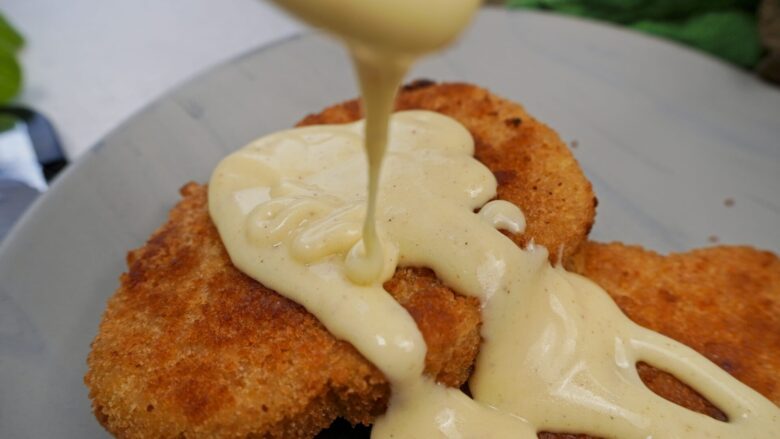


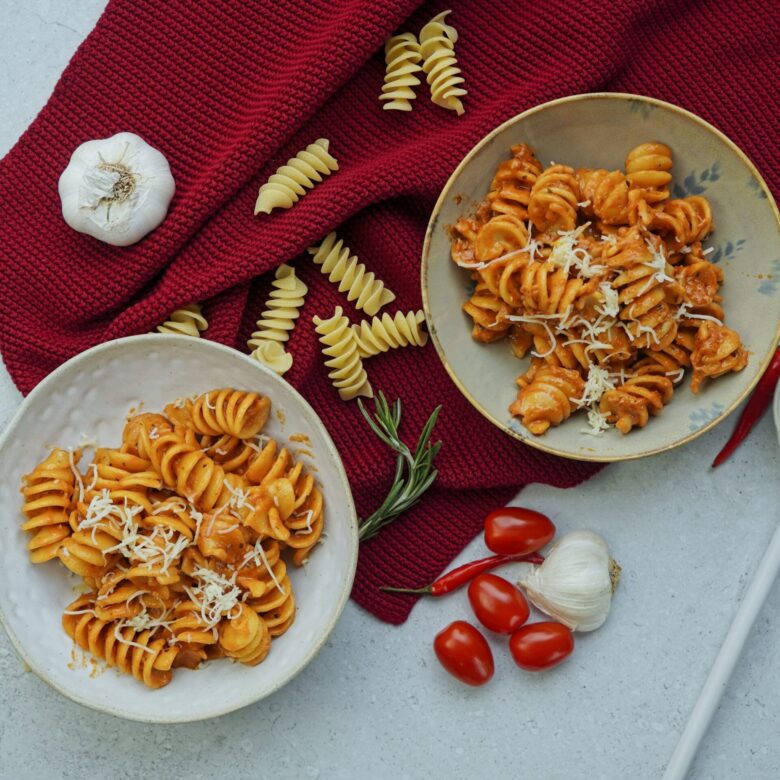
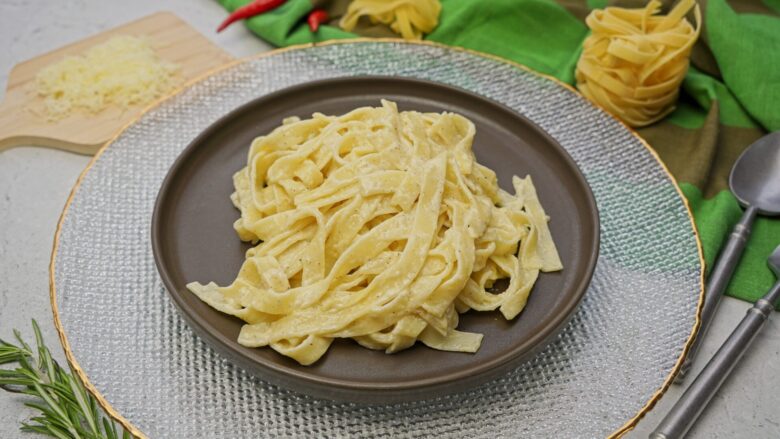


Alfredo Lasagna without Ricotta – Creamy Spinach Layers You’ll Love

Ingredients
For Alfredo Sauce:
- 120 g butter
- 120 g flour
- 1200 g heavy cream (30% fat)
- 200 g grated Parmesan (Don’t use pre-grated cheese as it can make the sauce grainy. Grate it yourself and use a fine grater so the cheese melts smoothly into the sauce.)
- ¼ tsp nutmeg
- 1 tsp black pepper
- 1 tsp salt
For Spinach Filling:
- 900 g frozen spinach
- 2.7 kg fresh spinach (if using fresh instead)
- 40 g olive oil
- 100 g diced onion
- 3 garlic cloves
- ¼ tsp nutmeg
- 1 tsp salt
- 400 g no-boil lasagna sheets
- 350 g grated mozzarella cheese
Instructions
Make the Alfredo Sauce
- Grate your Parmesan with a fine grater.
- Set the heat to medium. We use level 6 out of 9 on our stove. Add the butter to the pot and let it melt. Add the flour, combine, and stir for 3–4 minutes.
- Pour in the heavy cream slowly. Add a little at a time and whisk constantly. Don’t let it boil. Don’t add it all at once—add it in 3 steps.
- Add salt, nutmeg, and black pepper. Stir.
- When you see steam, start adding the Parmesan in small batches. Stir until it melts, then add more. We added the Parmesan in 5 batches. Don’t let the sauce boil.
- Once all the cheese melts, take the pot off the heat immediately.
Make the Spinach Filling
- Chop the onion and grate the garlic.
- Set the heat to medium. Use level 6 out of 9 on your stove. Pour olive oil into a pan. Add the onion and cook until it turns translucent.
- Add the garlic. Stir for 30 seconds.
- For frozen spinach: Add the frozen spinach. Cover with a lid and let it thaw in the pan. Stir a few times. You can also leave the spinach on the counter for an hour to thaw naturally, but the pan is the quickest method.
- For fresh spinach: Wash and chop the spinach. Add it to the pan (or a large pot if needed) and let it wilt completely. It may seem like a lot at first, but it will cook down quickly.
- Once the spinach is ready — thawed (if using frozen) or wilted (if using fresh) — add salt and a pinch of nutmeg. Stir well to combine. Tip: If your frozen spinach is already salted, skip the extra salt.
- Turn the heat to high and cook the spinach for 7–10 minutes, until all the liquid has evaporated. Once the pan is dry and there’s no water left, it’s ready.
- Move the spinach into a cold bowl and let it cool for 5 minutes.
Mix Spinach and Alfredo Sauce
- Take the Alfredo sauce and set aside ¼ of it in a separate bowl for the top and bottom layers.
- Mix the rest of the sauce with the spinach. This is your lasagna filling.
- Divide the Alfredo sauce with spinach into 4 equal parts — one for each lasagna layer.
- Taste the spinach Alfredo sauce. If it needs more salt, add a little. It should be a bit salty so the lasagna doesn’t taste bland.
Assemble the Lasagna
- Preheat your oven to 375°F (190°C).
- Spread ⅓ of the reserved Alfredo sauce over the bottom of the baking dish. Save the rest for the top layer.
- First layer: Add a layer of lasagna sheets. Spread ¼ of the spinach-Alfredo filling and sprinkle mozzarella on top.*
- Second layer: Add lasagna sheets, another ¼ of the filling, and sprinkle with mozzarella.
- Third layer: Repeat — lasagna sheets, 1/4 of the filling, and mozzarella.
- Fourth layer: Add lasagna sheets, the last ¼ of the filling, and sprinkle with mozzarella.
- Fifth layer: Finish with the last layer of lasagna sheets. Spread the remaining Alfredo sauce (the one you set aside for the top and bottom layers) on top. Make sure to cover the edges well, then sprinkle generously with mozzarella.
- Fold the foil in two layers and cover the dish.
- Bake in a preheated oven at 375°F (190°C, top and bottom heat) for 30–40 minutes.
- Remove the foil and bake for another 20–30 minutes until the top is golden and bubbly.
- Let the lasagna rest on the counter for at least 30 minutes so it sets before slicing.
Video
Notes
Nutrition
Have you tried this recipe?
Share the love! Let us know how it turned out! Leave a comment under the recipe or on our YouTube channel.
FAQ
Most lasagnas work best with 3 to 5 layers — enough for even baking and a balanced ratio of pasta, sauce, and filling.
Bake lasagna at 350–375°F (180–190°C) until hot and bubbly. Cover it at first, then uncover it toward the end for browning.
Yes — Alfredo sauce works beautifully in lasagna and makes it rich and creamy. A slightly thicker Alfredo gives the layers more structure.
A great lasagna has balanced layers, a flavorful sauce, and noodles cooked in plenty of moisture. Let it rest after baking so it slices cleanly.
Yes — you can replace ricotta with a thick Alfredo sauce for a creamy, smooth substitute that layers well.
A thick Alfredo sauce made with cream and Parmesan is an easy ricotta substitute and creates a silky, rich layer.
Yes — cover lasagna for most of the bake to keep it moist, then uncover it near the end to brown the top.
For a standard 9×13-inch dish, about 12 oz (350 g) of mozzarella gives generous layers and a golden top.


